Common Projects Size Guide: A Comprehensive Overview
Navigating Common Projects sizing requires understanding conversions, fit nuances, and model-specific recommendations for optimal comfort and style.
This guide provides detailed insights, ensuring a perfect fit for your investment.
Understanding Common Projects Sizing
Common Projects distinguishes itself with a minimalist aesthetic and a dedication to quality, but its sizing can be surprisingly complex. Unlike standard US sizing, Common Projects primarily utilizes European (EU) sizing, creating immediate confusion for many buyers. It’s crucial to recognize that a US size 9 doesn’t directly translate to an EU size 9; conversions are necessary.
Furthermore, the brand’s sneakers often run small, meaning many individuals find they need to size up half a size, or even a full size, from their usual footwear. This isn’t a universal rule, however, and varies depending on the specific model and individual foot shape. The leather used in Common Projects sneakers is known for its initial stiffness, which contributes to a snug fit that will loosen with wear.
Understanding these nuances – the EU sizing system, the tendency to run small, and the leather’s break-in period – is fundamental to achieving the correct fit. Ignoring these factors can lead to discomfort or an ill-fitting, ultimately detracting from the experience of owning a pair of these premium sneakers.
US to EU Size Conversion

Converting US sizes to EU sizes for Common Projects requires a precise chart, as direct equivalencies are misleading. While a general guideline exists, individual experiences can vary. Here’s a commonly referenced conversion table:
- US 6.5 ⎻ EU 40
- US 7 ⎻ EU 40.5 ⎻ 41
- US 7.5 ― EU 41
- US 8 ⎻ EU 41.5 ― 42
- US 8.5 ⎻ EU 42
- US 9 ― EU 42.5 ⎻ 43
- US 9.5 ― EU 43
- US 10 ― EU 43.5 ― 44
- US 10.5 ― EU 44
- US 11 ⎻ EU 44.5 ⎻ 45
Important Note: This chart serves as a starting point. Many customers report needing to go up a half or full size, particularly with models like the Achilles Low. Consider your foot width; a wider foot may necessitate sizing up. Always consult multiple sources and read reviews specific to the model you’re interested in before making a purchase. Relying solely on this conversion chart isn’t always sufficient.
UK to EU Size Conversion
Translating UK shoe sizes to EU sizes for Common Projects demands careful attention, as discrepancies can impact fit significantly. A standard conversion chart provides a baseline, but individual foot shapes and model variations necessitate consideration. Here’s a typical UK to EU size guide:
- UK 6 ⎻ EU 39
- UK 6.5 ⎻ EU 40
- UK 7 ― EU 40.5 ― 41
- UK 7.5 ⎻ EU 41
- UK 8 ⎻ EU 42
- UK 8.5 ― EU 42.5 ⎻ 43
- UK 9 ― EU 43
- UK 9.5 ― EU 44
- UK 10 ⎻ EU 44.5 ⎻ 45
- UK 10.5 ⎻ EU 45
Crucially, Common Projects often runs small. Many UK customers find they need to increase by half a size or even a full size compared to their usual UK fit. Foot width also plays a role; wider feet benefit from sizing up. Always cross-reference with US size conversions and read specific model reviews for the most accurate guidance.
Common Projects Sneaker Fit
Achieving the ideal fit with Common Projects sneakers hinges on understanding their generally slim silhouette and construction. Unlike some brands offering generous width options, Common Projects prioritizes a sleek, refined aesthetic. This means many individuals, particularly those with wider feet, may need to size up to avoid discomfort or constriction.
The fit is typically described as snug, conforming closely to the foot after a break-in period. Expect a relatively narrow toe box. Consider the intended use; if you prefer a looser fit for all-day wear, sizing up is advisable. Conversely, if you desire a more secure, locked-down feel, your true size might suffice.
Remember, leather stretches, but only to a limited extent. Prioritize comfort and allow for sock thickness when determining your size.
Factors Affecting Common Projects Fit
Several key factors influence how Common Projects sneakers will fit your feet; Leather stretch and the break-in period are crucial; the high-quality leather initially feels firm but gradually molds to your foot shape with wear. Expect some expansion in length and width, though it’s not dramatic.
Sock thickness considerations are also vital. Wearing thicker socks will naturally reduce the available space within the shoe, potentially necessitating a half or full size up. Conversely, thinner socks may allow for a more comfortable fit in your true size.
Individual foot shape plays a significant role. Those with wider feet consistently report needing to size up. Finally, the specific model impacts fit; variations exist between the Achilles Low and Original Achilles, as detailed later.
Leather Stretch and Break-In Period
Common Projects sneakers are renowned for their premium leather construction, which inherently undergoes a stretching and break-in process. Initially, the leather feels relatively firm and structured, providing a snug fit. However, with consistent wear, the leather gradually softens and conforms to the unique contours of your foot.
This break-in period typically lasts between 20 to 40 hours of wear, depending on individual foot shape and activity level. Expect a slight lengthening and widening of the shoe as the leather relaxes. It’s advisable to account for this potential expansion when determining your initial size.
While the stretch isn’t substantial, it’s enough to impact comfort, especially if you initially choose a size that’s too tight. Patience is key; allowing the leather to naturally break in will result in a significantly more comfortable and personalized fit.
Sock Thickness Considerations
The thickness of your intended sock plays a crucial role in achieving the correct Common Projects sneaker fit. These sneakers often have a relatively streamlined silhouette, leaving limited room for bulky socks. If you typically wear thicker socks – such as athletic or winter socks – it’s generally recommended to size up half a size to accommodate the added volume.
Conversely, if you prefer thinner dress socks or no-show socks, sticking to your standard size is usually appropriate. Consider the climate and your typical activities when making this determination.
Always try on Common Projects sneakers with the type of socks you plan to wear most frequently. Failing to do so can lead to discomfort or an ill-fitting shoe. Prioritizing sock thickness ensures optimal comfort and prevents unnecessary pressure points.
Specific Model Sizing Recommendations
Common Projects offers various models, each with subtle fit variations. The Achilles Low, a signature style, generally runs true to size for those with average feet, but many recommend sizing down half a size for a snugger fit, especially if you prefer a minimalist aesthetic. However, wider feet may benefit from sticking to their usual size.
The Original Achilles, known for its classic design, often requires similar consideration. Again, sizing down half a size is a common practice, but it’s crucial to assess your foot shape and sock preference. Individuals with broader feet or those planning to wear thicker socks should prioritize comfort and potentially opt for their standard size.
Always research specific model feedback before purchasing, as experiences can vary.
Achilles Low Sizing
The Achilles Low, Common Projects’ most iconic sneaker, presents unique sizing considerations. While often described as true to size, a significant number of purchasers suggest sizing down a half size for a cleaner, more streamlined fit. This is particularly true for those with narrower foot profiles or who prefer a snug, sock-like feel.
However, individuals with wider feet or those intending to wear thicker socks should carefully consider sticking with their regular size to avoid discomfort. The Achilles Low’s leather construction offers minimal stretch, so prioritizing initial comfort is vital.
Consulting multiple online reviews and size charts is highly recommended before making a purchase. Remember, personal preference plays a key role in achieving the perfect fit with this popular model.
Original Achilles Sizing
The Original Achilles, the foundational silhouette for Common Projects, generally follows similar sizing guidance as the Achilles Low, but with subtle differences. Many customers find that these run slightly larger, making sizing down a half size a common recommendation, especially for those familiar with the brand’s fit.
However, unlike some other models, the Original Achilles can accommodate slightly wider feet more comfortably in true size. The leather’s break-in period is crucial; initial tightness will lessen, but avoid relying on significant stretching.

Careful consideration of sock thickness is essential. Thinner socks may necessitate a half-size reduction, while thicker socks might warrant staying true to size. Prioritize reviewing recent customer feedback specific to the Original Achilles for the most accurate guidance.
Width Options and Considerations
Common Projects primarily caters to a standard width foot, but understanding subtle variations is key to achieving the perfect fit. While they don’t explicitly offer multiple width options like some brands, the leather construction allows for some natural adaptation. However, individuals with particularly narrow or wide feet should exercise caution.
Those with wider feet may find the toe box slightly constricting, even after the break-in period. Considering a half size up might alleviate this, but it could also affect the overall length. Conversely, those with narrow feet should ensure a snug heel fit to prevent slippage.
Pay attention to model-specific nuances; some styles may run slightly narrower than others. Consulting detailed reviews and customer feedback regarding width is highly recommended before making a purchase.
Common Sizing Mistakes to Avoid
One of the most frequent errors is assuming your standard sneaker size translates directly to Common Projects. Their minimalist construction and leather materials often require a slight adjustment. Many buyers mistakenly order their usual size, resulting in a fit that’s either too snug or slightly loose.
Another common pitfall is neglecting the break-in period. Common Projects leather requires time to mold to your foot, so avoid sizing up drastically hoping for immediate comfort. Overestimating size to accommodate sock thickness is also a mistake; choose socks first, then size accordingly.

Ignoring EU sizing conversions can lead to significant errors. Always double-check the equivalent size using a reliable conversion chart. Finally, failing to consider model-specific variations – the Achilles Low differs from the Original Achilles – is a frequent oversight.
Where to Buy and Get Fitted
Finding a retailer offering professional fitting services is highly recommended, especially for your first Common Projects purchase. Department stores like Nordstrom and select boutiques specializing in luxury footwear often provide expert assistance. These locations allow you to try on various sizes and models, ensuring an accurate fit before committing.
Common Projects’ official website (commonprojects.com) is a reliable source, though fitting isn’t available online. Authorized retailers listed on their site guarantee authenticity. Mr Porter and SSENSE are popular online destinations with detailed size guides and responsive customer support.
Consider visiting brick-and-mortar stores even if you plan to purchase online; it’s invaluable to establish your correct size. Remember that stock varies, so calling ahead to confirm availability is advisable.
Online Ordering Tips
When purchasing Common Projects online, prioritize retailers with generous return policies and detailed size charts. Carefully compare your measurements to the brand’s size guide, noting any US to EU or UK conversions. Read customer reviews specifically mentioning sizing experiences with the model you’re considering.
Utilize the retailer’s customer service chat or email to ask specific questions about fit. Don’t hesitate to inquire about the shoe’s last (shape) and whether it runs true to size, narrow, or wide.
Take accurate measurements of your feet, ideally in the afternoon when they are slightly swollen. Consider ordering two sizes if you’re between sizes, planning to return the less suitable pair. Always check the retailer’s shipping and return costs before finalizing your purchase.
Return Policies and Exchanges
Understanding a retailer’s return policy is crucial when investing in Common Projects. Given the price point and potential fit issues, a flexible return policy offers peace of mind. Prioritize retailers offering free returns and exchanges, minimizing your financial risk if the initial size isn’t perfect.

Carefully review the return window – typically 14 to 30 days – and any associated conditions. Some retailers may require shoes to be returned unworn, with original packaging and tags intact.
Confirm whether the retailer covers return shipping costs, or if you’re responsible for those fees. Investigate the exchange process; is it a straightforward exchange for a different size, or do you need to return for a refund and repurchase? Knowing these details upfront streamlines the process if adjustments are needed.
Caring for Your Common Projects
Protecting your investment in Common Projects extends their lifespan and maintains their pristine appearance. Regular cleaning is essential; use a soft brush and damp cloth to remove dirt and debris. Avoid harsh chemicals or abrasive cleaners, which can damage the leather.
Consider using a leather conditioner specifically designed for delicate leathers to keep them supple and prevent cracking. Shoe trees are highly recommended to maintain the shoe’s shape and absorb moisture, especially during storage.
Rotate your Common Projects to allow them to air out and prevent excessive wear on any single pair. Store them in a dust bag when not in use, shielding them from dust and scratches. Proper care ensures your sneakers remain a stylish staple for years to come.
Comparing Common Projects to Other Brands
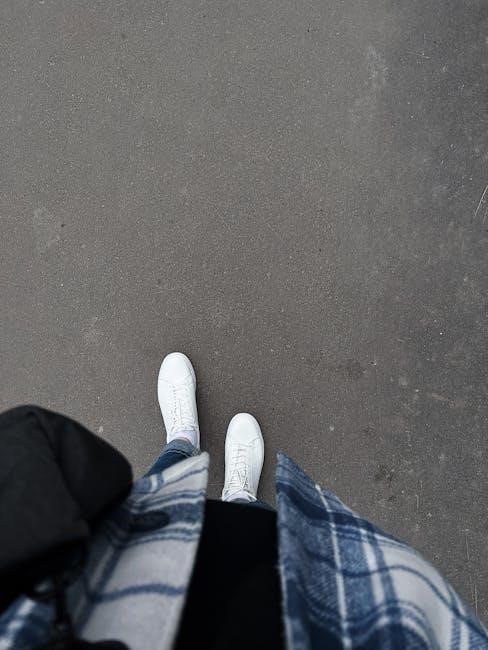
When transitioning from other sneaker brands, understanding Common Projects’ unique fit is crucial. Unlike many mainstream brands that often run true to size, Common Projects typically fits smaller, often requiring a half or even a full size up.
Compared to brands like Nike or Adidas, which prioritize cushioning and a wider toe box, Common Projects emphasizes a streamlined, minimalist aesthetic with a more snug fit. Their leather construction also means less initial give than canvas or synthetic materials.
Brands like New Balance often offer width options, a feature less common in Common Projects. Therefore, careful consideration of your foot shape and comparing your size in other brands is vital for achieving the perfect Common Projects fit.
Resources for Further Sizing Information
For comprehensive sizing assistance beyond this guide, several online resources and communities offer valuable insights. Dedicated sneaker forums, such as Reddit’s r/CommonProjects, host discussions where users share their sizing experiences with specific models.
Websites specializing in luxury footwear often feature detailed size charts and customer reviews that can aid your decision-making process. Retailers like SSENSE and Mr Porter provide size recommendations based on brand-specific fitting data.
YouTube channels dedicated to sneaker reviews frequently include Common Projects fit checks and comparisons; Don’t hesitate to consult these resources and leverage the collective knowledge of the sneaker community to ensure a confident purchase.