Schumacher automatic battery chargers simplify battery maintenance, offering smart, self‑regulating charging that protects cells and extends lifespan. These units automatically detect battery type, adjust voltage,and terminate charging when full, eliminating guesswork,and ensuring reliable power for vehicles
Key Features of Schumacher Chargers
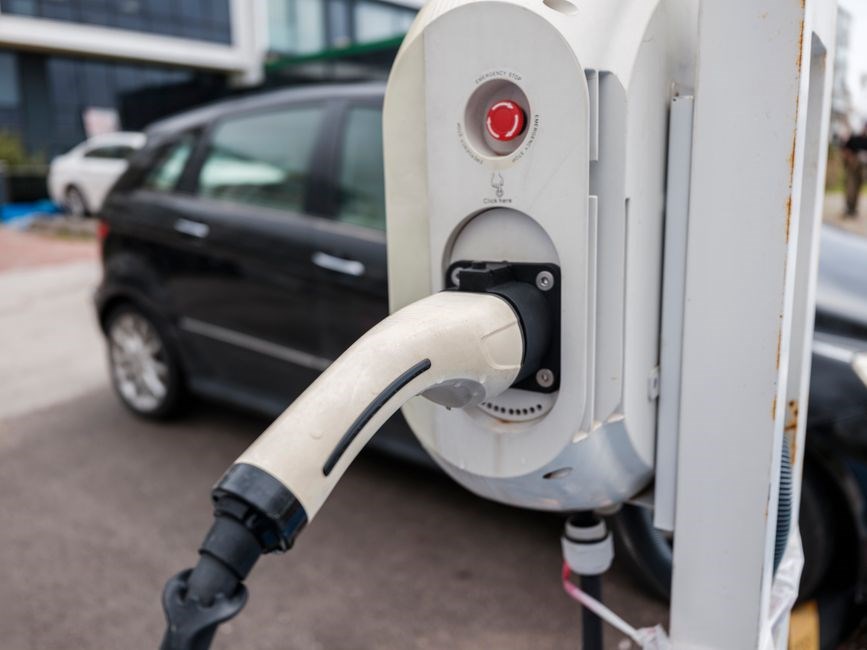
Schumacher chargers feature intelligent charging, multiple output options, safety cut‑offs, and user‑friendly displays. They auto‑detect battery chemistry, adjust voltage, and terminate when full, preventing overcharge. Built‑in fuses, temperature sensors, and LED status lights ensure safe, efficient operation
Smart Charging Technology
Schumacher’s smart charging system employs a multi‑stage algorithm that adapts to battery chemistry, temperature, and state of charge. Initially, the charger operates in a bulk phase, delivering maximum current to quickly raise voltage. Once the battery approaches 12.6 V, it transitions to absorption, maintaining voltage while reducing current, which prevents overheating. Finally, a float phase supplies a low, steady voltage to keep the battery topped off without overcharging. The unit continuously monitors cell voltage, temperature, and internal resistance, automatically adjusting output to protect against over‑voltage, under‑voltage, and thermal runaway. Integrated microprocessors interpret sensor data in real time, enabling precise control that extends battery life by reducing sulfation and minimizing lead‑acid corrosion. Users benefit from a clear LED display that shows voltage, current, temperature, and charge status, allowing quick diagnostics. The charger’s firmware also supports programmable settings for different battery types—lead‑acid, AGM, gel, and lithium—ensuring optimal charging profiles for each chemistry. Safety interlocks shut down the charger if a fault is detected, such as a short circuit or excessive temperature. The smart charging logic is designed to work seamlessly with Schumacher’s wide range of models, from the XC6 to the XCS15, providing consistent performance across the product line. This approach eliminates guesswork, reduces maintenance time, and guarantees reliable power for vehicles, boats, and equipment!!
Multiple Output Options
Schumacher chargers are engineered to deliver a broad spectrum of output settings that accommodate diverse battery chemistries and operational demands. Most models feature selectable voltage ranges of 12 V, 24 V, and 48 V, which can be adjusted via a rotary selector or a digital keypad, depending on the unit’s interface. Users can also choose between bulk, absorption, and float charge modes, each providing a distinct current profile that accelerates charging while protecting cell health. For high‑current applications such as marine or industrial batteries, the XC12 and XCS15 models can output up to 30 A, whereas the XC6 and XC10 are limited to 20 A, balancing performance with safety. In addition to voltage and current adjustments, many Schumacher units include a built‑in temperature sensor that automatically reduces output when the battery temperature exceeds safe limits, thereby preventing thermal runaway. This feature is especially useful for AGM or gel batteries that are sensitive to overheating.
Beyond basic voltage and current control, select Schumacher chargers offer dual‑port functionality, allowing simultaneous charging of two batteries or a battery and an auxiliary load—ideal for RVs, boats, and off‑grid systems. A programmable timer is also available on several models, enabling users to schedule charging sessions during off‑peak hours or before a planned trip. This scheduling capability not only conserves energy but also ensures batteries are fully charged when needed. Moreover, the chargers support a variety of chemistries, including lead‑acid, AGM, gel, and even lithium‑ion, by automatically adjusting the charging algorithm to match the specific requirements of each type.
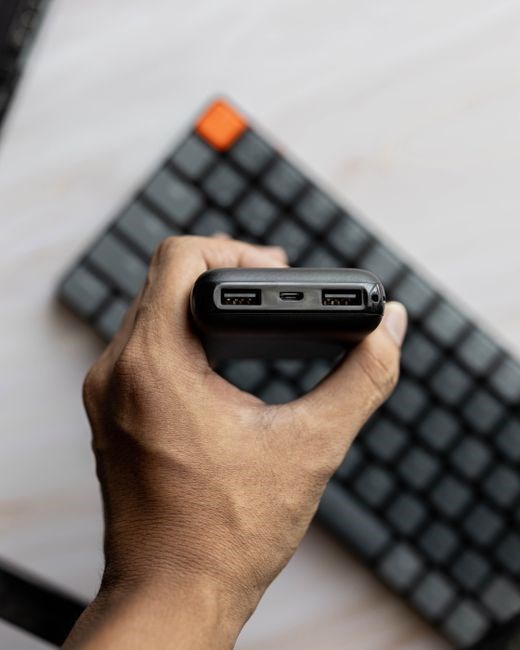
Finally, Schumacher’s intuitive LED display provides real‑time feedback on voltage, current, temperature, and charge status, allowing technicians to monitor progress at a glance. The display also alerts users to faults such as over‑voltage, under‑voltage, or temperature excursions, prompting immediate corrective action. By integrating these multiple output options with smart charging technology, Schumacher chargers deliver reliable, efficient, and safe battery maintenance, reducing the need for multiple dedicated chargers and simplifying shop inventory; The flexibility and precision of these units make them a preferred choice for automotive, marine, and industrial applications alike. This seamless integration reduces maintenance cycles and extends battery life daily.
Safety Features
Schumacher chargers incorporate a suite of safety mechanisms that protect both the battery and the user. An over‑voltage lockout prevents the charger from exceeding the maximum voltage for the selected chemistry, while an under‑voltage cutoff stops charging if the battery drops below a safe threshold. Temperature sensors monitor the battery’s heat; if temperatures rise above 60 °C, the charger automatically reduces output or shuts down to avoid thermal runaway. Short‑circuit protection is built into the power supply, instantly disconnecting the charger if a fault occurs. The units also feature reverse‑polarity detection, which shuts off the charger if the battery terminals are connected incorrectly, preventing damage to the charger’s internal circuitry. Ground‑fault detection adds an extra layer of safety by monitoring leakage currents and disconnecting the charger if a fault is detected, thereby protecting users from electric shock. All models include an integrated LED status display that shows real‑time voltage, current, temperature, and fault codes, allowing operators to quickly identify and resolve issues. The charger’s chassis is constructed from heat‑resistant plastic, and the internal wiring is shielded to reduce electromagnetic interference. In addition, the charging algorithm automatically transitions from bulk to absorption to float, ensuring the battery is never over‑charged. When the battery reaches full charge, the charger enters a maintenance mode that supplies a low‑level trickle charge to keep the battery topped off without over‑charging. These combined safety features make Schumacher chargers reliable tools for automotive, marine, and industrial battery maintenance, minimizing risk and extending battery life. All Schumacher chargers comply with UL 2054 and CE safety standards, ensuring they meet rigorous electrical safety criteria. The user manual explicitly warns against connecting the charger to a battery that is already fully charged for extended periods, as this can lead to overheating. Additionally, the charger’s design incorporates a built‑in fuse rated at 10 A, which blows if the current exceeds safe limits, providing an extra safeguard against electrical faults. The charger’s enclosure is rated at IP20, protecting against accidental contact while still allowing airflow to dissipate heat. Regular inspection of the power cord and plug for wear is recommended, as damaged insulation can compromise safety. By adhering to these safety practices, users can confidently rely on Schumacher chargers for dependable, long‑term battery performance.

Model Overview: XC6, XC10, XC12, XCS15
Schumacher’s XC line offers automatic chargers for various battery sizes. The XC6 is a compact 6‑amp unit ideal for small 12‑V lead‑acid batteries in motorcycles and portable tools. It features a single output port, a 3‑stage algorithm, and an LED display showing voltage, current, temperature, and fault codes. The XC10 ups the output to 10 amps, suitable for larger automotive and marine batteries, adding surge protection and a robust chassis. The XC12 provides 12 amps for heavy‑duty applications like trucks and trailers. The XCS15 delivers 15 amps, a programmable profile, 12‑V/24‑V support, a touch‑screen interface, and fleet‑management integration via Bluetooth or Wi‑Fi. All models share safety features such as over‑voltage lockout, temperature monitoring, and reverse‑polarity detection. Choosing the right model depends on battery size, charging speed, and monitoring needs. Each unit includes a 3‑year warranty and online support.
The XC6, XC10, and XC12 are plug‑and‑play; connect the charger, attach the battery leads, and it automatically detects the battery type and starts charging. The XCS15 adds programmable schedules, remote monitoring via a companion app, and cloud logging, ideal for fleet operators. All models share a single button to toggle modes, an LED status indicator, and a reset function. They support flooded, AGM, and gel chemistries for 12‑V and 24‑V systems. The XC6 weighs 1.2 kg, the XCS15 3.5 kg. Prices start at $120 for the XC6, $180 for the XC10, $240 for the XC12, and $350 for the XCS15. Each unit has a 1‑year limited warranty, with optional extended coverage through Schumacher’s service network. The chargers also feature a built‑in fuse and an LED fault indicator for quick troubleshooting. Enjoy reliable charging now!! !!!??
Using the Manual: Step‑by‑Step Guide
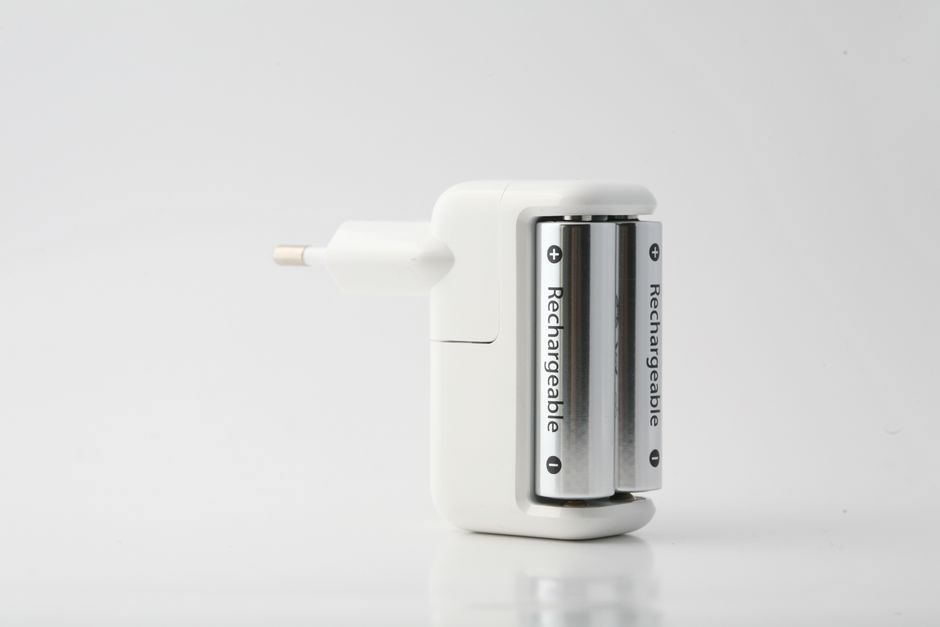
Follow these steps: 1. Connect charger to mains. 2. Attach battery leads, ensuring correct polarity. 3. Press the power button; the display will show battery type. 4. Select the desired charge mode via the mode button. 5. Monitor progress; the charger will auto‑stop when full. 6. Disconnect leads and unplug.
Powering On and Initial Setup
Before starting, place the charger on a flat, dry surface away from flammable materials. Check the power cord for damage. Plug the charger into a grounded outlet that matches its voltage rating. When powered, the LED lights up and the LCD detects the battery type automatically. If the charger cannot detect a battery, ensure the leads are securely connected and terminals are clean. The built‑in safety system prevents over‑voltage and reverse polarity; a red LED will flash and the unit will shut down if a fault occurs. Once the connection is confirmed, press the “Start” button to begin charging. The charger selects the appropriate mode—bulk, absorption, or float—based on the battery’s state of charge. You can adjust parameters with the “Mode” button for specific chemistries. The display shows real‑time voltage, current, and temperature, allowing you to monitor progress. When the battery reaches full charge, the charger automatically switches to maintenance mode, keeping the battery at an optimal voltage without over‑charging. At this point, you may safely disconnect the charger from the battery and unplug the power cord. Store the unit in a dry, cool place and keep the manual handy for troubleshooting or advanced configuration. Following these steps ensures a safe, efficient, and effective charging cycle for your vehicle’s battery system. The LCD also shows the estimated time remaining and charge level percentage, aiding planning. If you detect an odor or heat, unplug immediately and inspect terminals for corrosion. Ensure good ventilation to avoid gas buildup, which protects both battery and user from hazards. Use the charger only with compatible batteries. Read manual. OK.!!!??
Selecting Charge Mode
Schumacher chargers automatically detect battery chemistry and apply the correct charging profile, but the user can manually override the mode if desired. Press the “Mode” button to cycle through Bulk, Absorption, and Float settings. Bulk mode supplies a current until the battery reaches about 70‑80 % of its capacity. Absorption mode then reduces the current to maintain the voltage, preventing over‑charging. Float mode keeps the battery at a low, steady voltage to preserve full charge without stressing the cells. When selecting a mode, watch the LCD for voltage and current readouts; a spike may indicate a short or a reversed connection. For sealed lead‑acid batteries, the default sequence is Bulk → Absorption → Float, but for AGM or gel types, the charger may skip the Float stage to avoid over‑voltage. If the battery is discharged, the charger will stay in Bulk longer to rebuild capacity. The “Auto” setting allows the charger to decide the best mode based on real‑time data, which is for users. Always confirm that the selected mode matches the battery’s specifications listed in the manual. Incorrect mode selection can lead to reduced lifespan or safety hazards. After setting the mode, press “Start” to begin charging; the LED will indicate the current mode with a distinct color. Monitor the progress on the LCD and adjust if necessary. When the battery reaches full charge, the charger automatically switches to Float or maintenance mode, ensuring a safe and efficient charge cycle. Mode selection is key to maximizing battery health and performance.
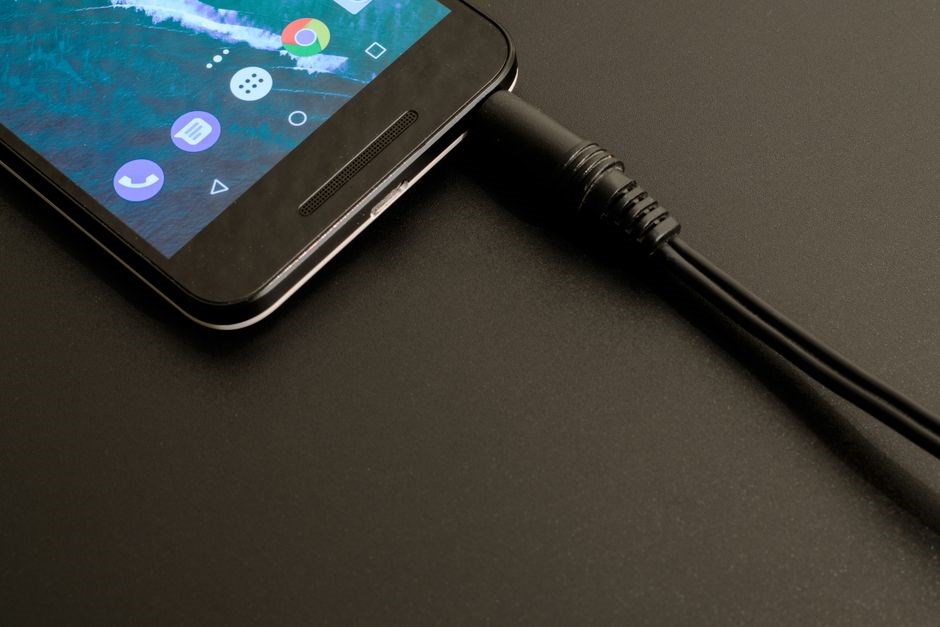
Schumacher chargers feature a clear LCD display that shows voltage, current, temperature, and time remaining. As the battery charges, the display updates every few seconds, allowing you to track progress in real time. The first stage, Bulk, shows a rising current until the voltage reaches the bulk threshold. Once the charger switches to Absorption, the current tapers while the voltage stays near the absorption limit. Finally, during Float, the voltage stabilizes at a low level and the current drops to a maintenance level. The LED indicators complement the LCD: a green light means charging is active, yellow indicates absorption or float, and red signals a fault or over‑temperature. If the charger detects a fault, the LCD will display an error code such as “E1” for a short circuit or “E2” for a reversed polarity. For long‑term maintenance, set the charger to “Float” mode and leave it connected; the display will show a steady voltage and minimal current, indicating the battery is kept at full charge without over‑charging. The time‑remaining gauge is calculated based on the battery’s capacity and the current charge rate, giving an estimate of how many hours remain until the battery is fully charged. If the battery is deeply discharged, the time estimate will be longer, but the charger will automatically adjust the current to avoid damaging the cells. When the charge is complete, the display will show “100 %” and the LED will flash green. At this point, you can disconnect the charger safely. Regularly checking the LCD and LED status ensures you catch any anomalies early, protecting both the battery and the charger from damage. By monitoring voltage, current, temperature, and time, you maintain optimal charging conditions and extend battery life. Remember, keep the charger in a dry, well‑ventilated area to prevent overheating! Stay safe

Maintenance and Troubleshooting
Regular maintenance of a Schumacher automatic battery charger ensures reliable performance and extends its service life. First, inspect the power cord and plug for fraying or damage; replace any worn components immediately. Clean the charger’s vents with a soft brush to prevent dust buildup, which can cause overheating. Check the battery terminals for corrosion; apply a thin coat of dielectric grease to protect against moisture. Verify that the charger’s temperature sensor is functioning by comparing the displayed temperature to a separate thermometer during operation; a discrepancy indicates a sensor fault that may trigger an over‑temperature shutdown. For troubleshooting, consult the error codes listed in the user manual. A red LED coupled with an “E1” code usually signals a short circuit or a reversed polarity connection; disconnect the charger, correct the polarity, and reset the unit by turning it off for 30 seconds before restarting. An “E2” code indicates a fault in the internal regulator; this requires professional service. If the charger fails to display voltage or current, ensure the battery is fully connected and that the battery’s internal resistance is not too high. In cases of slow charging, verify that the battery’s state of charge is within the charger’s supported range; deeply discharged batteries may need a pre‑charge step. For optimal longevity, always use the charger’s supplied power supply rated for the device’s voltage and current specifications, and avoid using a higher voltage source, which could damage the internal circuitry and compromise safety!.
Warranty and Customer Support
Schumacher battery chargers are backed by a three‑year limited warranty covering all internal components, excluding damage from misuse or environmental exposure. To activate the warranty, keep the receipt and register the serial number on the Schumacher website within 30 days of purchase; the online portal also hosts firmware updates and troubleshooting guides.
Customer support is available 24/7 through a dedicated hotline (1‑800‑SCHUMACHER) and email (support@schumacher.com). The Schumacher mobile app lets users submit tickets, track status, and receive push notifications. Authorized service centers in North America, Europe, and Asia perform on‑site diagnostics and repairs; a list of certified centers is on the support portal. If a unit is defective, Schumacher will replace or refund the charger, and the replacement comes with a new three‑year warranty. Shipping for replacements typically takes 5–10 business days, with expedited service available for an additional fee. All support staff are certified technicians trained on Schumacher’s product line.
The warranty also includes a 30‑day return policy for dissatisfied customers, provided the charger is unused and in its original packaging. Replacement parts are sold online, and technicians are trained on Schumacher’s product line. Replacement parts are available through the online store for quick delivery. For detailed information, consult the warranty booklet or the Schumacher FAQ page, which covers common questions such as “What constitutes a manufacturing defect?” and “How do I file a claim?” Can request on‑site service daily!
and Best Practices
After exploring the features, operation, and support framework of Schumacher automatic battery chargers, it is clear that these devices combine ease of use with robust engineering. To maximize performance and longevity, follow these best practices: keep the charger in a dry, well‑ventilated area; inspect the power cord and connectors for wear before each use; and always use the correct output setting for the battery type. Regularly clean the charging terminals with a soft cloth and a mild electrolyte solution to prevent corrosion. When the charger indicates a full charge, disconnect it promptly to avoid over‑charging, which can reduce battery life. Store spare chargers in a cool, dry place and replace any damaged components immediately. For troubleshooting, consult the troubleshooting section of the manual, and use the diagnostic LED indicators to identify common issues. If a problem persists, contact Schumacher customer support or visit an authorized service center. By adhering to these guidelines, users can enjoy reliable, efficient charging and extend the useful life of their batteries. For optimal results, users should periodically verify the charger’s internal temperature gauge, ensuring it remains within the specified range of 30 to 60 degrees Celsius; if the temperature rises above 65 degrees, the charger will automatically shut down to protect the battery and device, and users should inspect ventilation openings for obstructions, clean dust buildup, as such conditions can impede current flow and lead to overheating carefully soon.