Bearded Dragon Size Guide: A Comprehensive Overview
This guide details the fascinating world of bearded dragon dimensions, encompassing hatchling stages through adulthood,
considering morph variations and health indicators.
We’ll explore factors influencing growth, offering a detailed resource for responsible reptile keepers.
Bearded dragons (Pogona vitticeps) are captivating reptiles renowned for their docile nature and unique appearance. Understanding their size potential is crucial for providing appropriate care throughout their lifespan. These lizards exhibit considerable variation in size, influenced by genetics, diet, and environmental conditions. Generally, bearded dragons originate from Australia, thriving in diverse habitats.
A key aspect of responsible ownership involves recognizing the expected growth patterns. Hatchlings begin remarkably small, but experience rapid development during their first few months. Adult size differs between males and females, with males typically reaching larger dimensions. Knowing these distinctions allows owners to prepare suitable enclosures and ensure optimal well-being. There are countless colors and nine different species of bearded dragons.
This guide provides a comprehensive overview of bearded dragon size, covering each life stage and offering insights into factors impacting growth.
Hatchling Size and Early Growth
Newly hatched bearded dragons are quite petite, typically measuring between 3 to 4 inches (7.6 to 10.2 cm) in length. Their weight at birth is correspondingly low, often around 2 to 5 grams. This initial size makes them appear delicate, requiring careful handling and a secure enclosure to prevent escapes or injury.
The first few weeks are characterized by rapid growth, fueled by a diet primarily consisting of small insects like flightless fruit flies and pinhead crickets. Proper cricket sizing is essential during this phase. Hatchlings require frequent feedings – multiple times daily – to support their accelerated development.
During this early stage, consistent warmth and appropriate UVB lighting are vital for calcium absorption and healthy bone growth. Expect a noticeable increase in size within the first month, with hatchlings potentially gaining up to an inch in length per week under optimal conditions.
Juvenile Size: Months 3-6
Between 3 and 6 months of age, bearded dragons experience a significant growth spurt, transitioning from hatchling fragility to more robust juveniles. Length typically increases to between 6 to 10 inches (15.2 to 25.4 cm), and weight climbs considerably, ranging from 20 to 50 grams depending on diet and genetics.
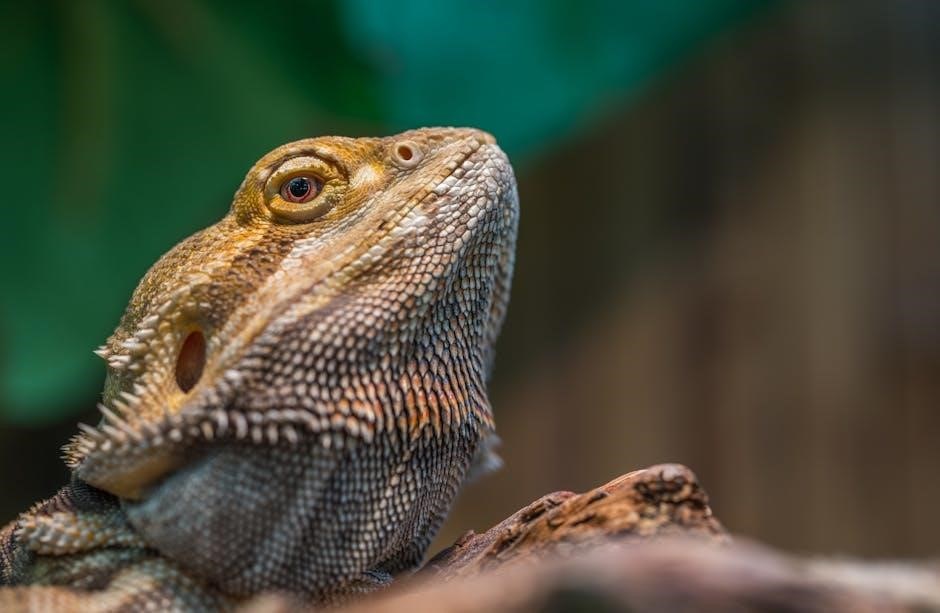
Dietary needs evolve during this period. While insects remain a staple, the size of the insects offered should increase – transitioning to appropriately sized crickets and introducing other varieties like dubia roaches. Supplementation with calcium and multivitamins becomes increasingly important to support bone development and overall health.
Behaviorally, juveniles become more active and inquisitive, requiring a larger enclosure to accommodate their increased size and exploration. Maintaining proper temperature gradients and UVB exposure remains crucial for continued healthy growth and preventing metabolic bone disease. Regular monitoring of weight and length helps track progress;
Adult Male Size: Average and Maximum Length
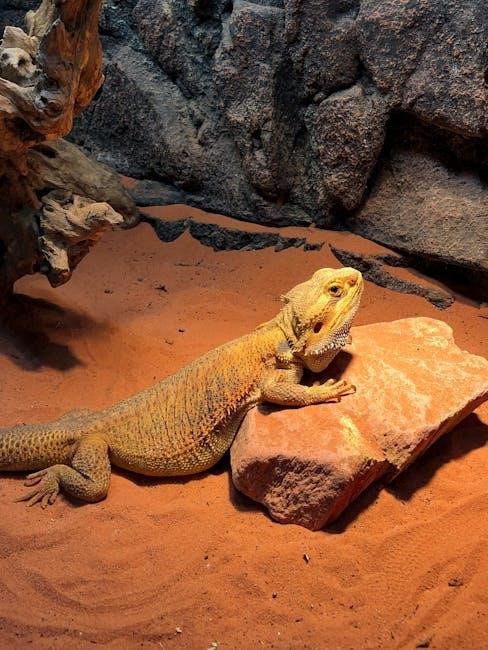
Adult male bearded dragons generally reach lengths of 18 to 22 inches (45.7 to 55.9 cm), though individual variations exist. A well-cared-for male can occasionally exceed 24 inches (61 cm) in total length, representing the upper end of the spectrum. Weight typically ranges from 300 to 600 grams, correlating with overall body mass and condition.
Males exhibit a more robust build compared to females, with broader heads and thicker tails. This physical difference is linked to their reproductive anatomy. Proper nutrition and environmental conditions are vital for achieving optimal size and maintaining a healthy weight. Consistent monitoring is key.
It’s important to note that size isn’t the sole indicator of health; body condition and activity levels are equally important. A healthy adult male will be alert, responsive, and maintain a consistent weight. Genetic factors also play a role in determining ultimate size.
Adult Female Size: Average and Maximum Length
Adult female bearded dragons typically attain lengths of 16 to 20 inches (40.6 to 50.8 cm), generally slightly smaller than their male counterparts. While most remain within this range, some females, with excellent care, can reach up to 22 inches (55.9 cm). Their average weight usually falls between 250 to 450 grams, influenced by factors like diet and reproductive status.
Females often possess a slimmer body shape and a less pronounced head compared to males. This difference is particularly noticeable during breeding season. Adequate calcium intake is crucial for females, especially when gravid (carrying eggs), to support egg development and prevent metabolic bone disease.
Consistent monitoring of weight and body condition is essential to ensure optimal health. A healthy female will be active, alert, and maintain a consistent weight, even during periods of egg production. Genetics also contribute to individual size variations.
Factors Influencing Bearded Dragon Size
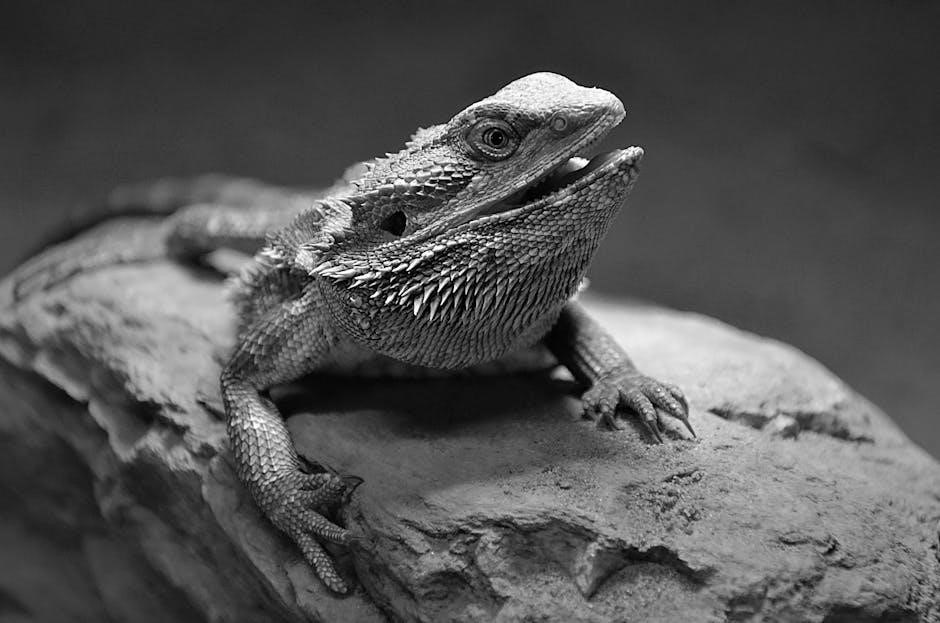
Several key elements dictate a bearded dragon’s ultimate size. Genetics and lineage play a significant role; dragons from larger bloodlines tend to grow larger themselves. Diet and nutrition are paramount – a varied diet rich in insects, vegetables, and supplemented with calcium and vitamins fuels optimal growth. Insufficient nutrition can stunt development.
Environmental factors, specifically temperature and UVB exposure, are critical. Proper basking temperatures (100-110°F) and consistent UVB lighting enable efficient calcium absorption, vital for bone growth. Inadequate heat or UVB can lead to metabolic bone disease, hindering size and overall health.
Stress, illness, and even the dragon’s individual personality can subtly influence growth rates. Providing a spacious enclosure and minimizing disturbances contribute to a healthy, thriving environment, maximizing their potential size.
Genetics and Lineage
A bearded dragon’s genetic makeup is a primary determinant of its potential size. Just like with any animal, offspring inherit traits from their parents, including growth potential. Dragons bred from larger parents are statistically more likely to reach a larger adult size than those from smaller lineages.
Lineage tracking, while not always precise, can offer clues. Reputable breeders often maintain records of their dragons’ sizes, allowing prospective owners to estimate the potential growth of their new pet. However, it’s crucial to remember that genetics aren’t the sole factor; environmental conditions and diet also play vital roles.
Morphs (color and pattern variations) don’t inherently dictate size, but some morphs may be associated with specific breeding lines known for larger or smaller sizes. Understanding a dragon’s ancestry provides valuable insight, but isn’t a guarantee of its final dimensions.
Diet and Nutrition
Proper diet is paramount for optimal bearded dragon growth. A nutritionally complete diet provides the building blocks for healthy development, directly impacting their final size. Young, rapidly growing dragons require a higher protein intake, primarily from insects like crickets, dubia roaches, and black soldier fly larvae – ensuring appropriate sizing for safe consumption.
As they mature, the proportion of vegetables should increase, offering essential vitamins and minerals. Calcium and vitamin D3 supplementation are crucial, especially under UVB lighting, to prevent metabolic bone disease, which can stunt growth.
Malnutrition or an imbalanced diet can severely limit a dragon’s growth potential, resulting in a smaller-than-average adult. Consistent access to fresh, varied food, tailored to their age and activity level, is essential for maximizing their genetic potential.
Environmental Factors (Temperature & UVB)
Maintaining a proper thermal gradient is critical for bearded dragon health and growth. A basking spot of 95-105°F (35-40°C) and a cool side of 75-85°F (24-29°C) allows them to regulate their body temperature, aiding digestion and metabolic processes essential for growth.
UVB lighting is equally vital, enabling vitamin D3 synthesis, which is necessary for calcium absorption. Insufficient UVB exposure leads to metabolic bone disease (MBD), severely hindering skeletal development and resulting in stunted growth or deformities.
Consistent, appropriate temperature and UVB exposure ensure optimal physiological function, allowing dragons to reach their full genetic potential. Regularly check bulb output and replace as needed, as UVB diminishes over time. A well-maintained environment is non-negotiable for healthy growth.
Weight as an Indicator of Health
While length is a key measurement, weight provides a crucial insight into a bearded dragon’s overall health and nutritional status. Regular weight checks, ideally weekly for juveniles and monthly for adults, help monitor growth trends and identify potential problems early on.
A healthy weight is proportional to length and body condition. You should be able to feel (but not prominently see) the ribs. A dragon that is too thin may be suffering from parasites, inadequate diet, or illness, while an overweight dragon risks developing fatty liver disease.
Consistent weight gain indicates proper feeding and absorption, while a plateau or weight loss warrants veterinary investigation. Keep a weight log alongside length measurements for a comprehensive growth assessment. Weight, combined with visual assessment, is a powerful tool for proactive health management.
Size Comparison: Different Bearded Dragon Morphs
Bearded dragon morphs exhibit fascinating variations in color and pattern, but size differences are generally subtle. While some breeders claim certain morphs grow larger or smaller, these claims often lack substantial scientific backing. The standard, “normal” bearded dragon typically serves as the baseline for comparison.
Hypomelanistic, leatherback, and silkback morphs don’t inherently dictate size. However, silkbacks, due to their delicate scales, may appear smaller, and sometimes experience health challenges impacting growth. Similarly, Witblits and Zero morphs generally fall within the average size range.
Genetic lineage and individual variation play a more significant role than morph alone. A well-nourished dragon from a robust bloodline will likely reach its full potential, regardless of its morph. Focus on providing optimal care rather than expecting drastic size differences based solely on coloration.
Growth Chart: Expected Size by Age
Tracking a bearded dragon’s growth is crucial for monitoring health. Hatchlings typically measure 3-4 inches (7.6-10.2 cm) within the first month, gaining approximately 0.5-1 inch per month. By 3 months, expect 8-12 inches (20.3-30.5 cm).
The most rapid growth occurs during the first 6-8 months. From months 3-6, dragons can add 2-4 inches (5.1-10.2 cm) to their length. Juvenile dragons (6-12 months) continue growing, albeit at a slower pace, reaching 12-18 inches (30.5-45.7 cm).
Growth slows significantly after 12 months, with most dragons nearing their adult size. While individual variation exists, a fully grown bearded dragon typically reaches 18-22 inches (45.7-55.9 cm). Consistent monitoring and accurate measurements are key to identifying any potential growth issues.
Measuring Your Bearded Dragon Correctly
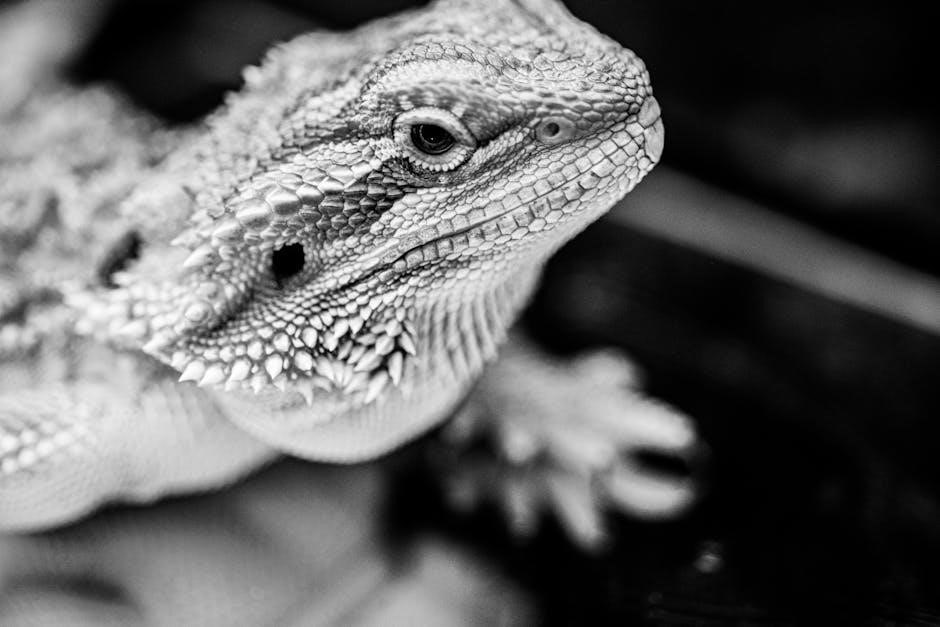
Accurate measurement is vital for tracking your dragon’s development. Use a soft, flexible measuring tape – avoid rigid rulers that could cause stress or injury. Gently extend your dragon, ensuring they are relaxed, and measure from the tip of their snout to the end of their tail.
Avoid measuring while the dragon is puffed up or stressed, as this will yield an inaccurate reading. A calm, cooperative dragon provides the most reliable results. It’s helpful to have a second person assist, gently holding the dragon to minimize movement.
Record measurements regularly – monthly for juveniles, and quarterly for adults – to create a growth chart. Note any significant deviations from expected growth patterns and consult a veterinarian if concerns arise. Consistent, careful measurement is key to proactive health management.
Potential Issues Related to Size (Dwarfism & Obesity)
Variations from typical growth can signal underlying health concerns. Dwarfism, a genetic condition, results in significantly smaller adult size. While some dragons remain small due to lineage, it’s crucial to rule out nutritional deficiencies or metabolic issues with a vet.
Conversely, obesity can falsely inflate size measurements and pose serious health risks. Excessive weight strains organs, increases the risk of fatty liver disease, and reduces lifespan. Obesity often stems from an improper diet – too many insects, insufficient greens, and lack of exercise.
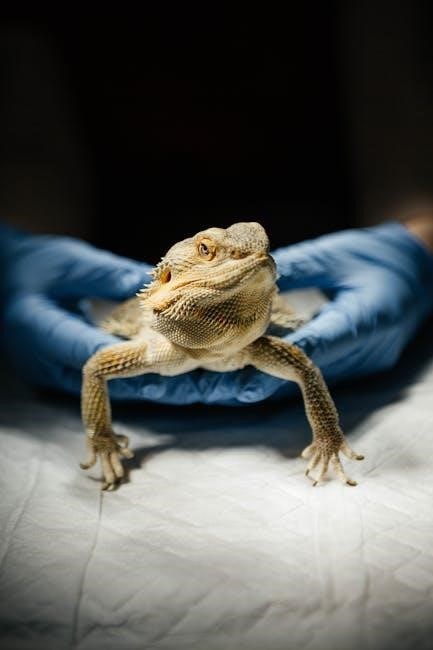
Monitoring weight alongside length is essential. A healthy dragon should have a proportionate build; If you suspect dwarfism or obesity, seek veterinary guidance for diagnosis and a tailored care plan. Early intervention is key to managing these conditions effectively.
Comparing Bearded Dragon Size to Other Reptiles
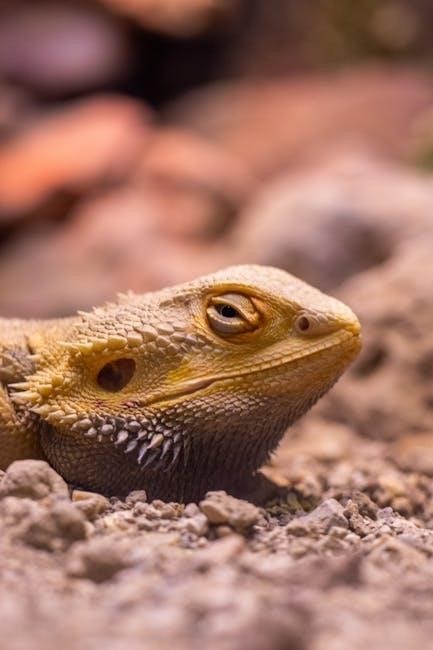
Bearded dragons occupy a moderate size niche within the reptile world. Compared to smaller lizards like leopard geckos (8-10 inches), beardies are considerably larger, reaching 18-24 inches. However, they are dwarfed by larger reptiles such as iguanas (up to 6 feet) or monitor lizards (some exceeding 8 feet).
Their size is comparable to some uromastyx species, but beardies generally have a more robust build. Compared to crested geckos (around 8-10 inches), bearded dragons require significantly more space due to their larger adult size and activity levels.
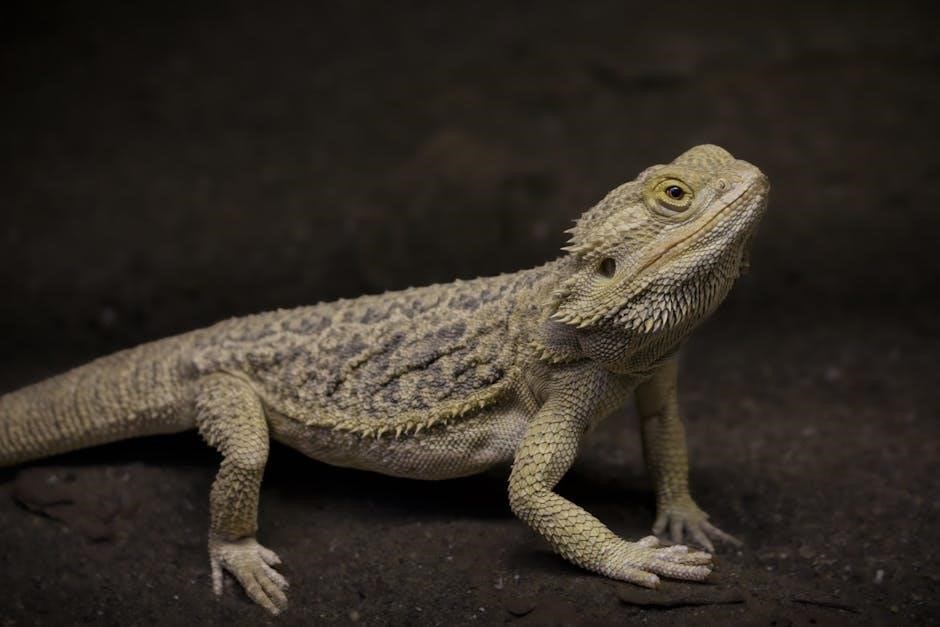
Understanding these size differences is crucial for responsible reptile keeping. It informs enclosure size requirements, appropriate diet planning, and the overall commitment needed to provide proper care. Choosing a reptile aligns with your capacity to meet its specific needs.
Resources for Further Information on Bearded Dragon Size
Numerous online resources offer detailed insights into bearded dragon growth and care. Reputable reptile forums, such as Reptile Forums and Bearded Dragon Owners, provide valuable community knowledge and experiences regarding size variations and health concerns.
Veterinary websites specializing in exotic animals (e.g., VCA Animal Hospitals, exoticvet.com) offer professional guidance on assessing your dragon’s size and weight, identifying potential issues like dwarfism or obesity, and ensuring optimal health.
Dedicated bearded dragon care websites (e.g., ReptiFiles, BDcaresheets) present comprehensive care sheets covering all aspects of husbandry, including appropriate enclosure dimensions based on size. Books by experienced reptile keepers also provide in-depth information. Always cross-reference information from multiple sources to ensure accuracy and reliability.
Monitoring your bearded dragon’s size is crucial for ensuring their overall health and well-being. Remember that growth rates vary based on genetics, diet, and environmental factors, so individual dragons will develop at different paces.
Regularly measuring length and weight, and comparing these measurements to established growth charts, allows you to identify potential problems early on. Consistent observation of your dragon’s body condition is equally important – a healthy dragon should have a balanced physique, avoiding both emaciation and obesity.
By utilizing the resources discussed and remaining attentive to your dragon’s individual needs, you can provide the optimal care necessary for them to thrive and reach their full potential. Understanding their growth journey fosters a stronger bond and ensures a long, happy life for your scaled companion.