PDFs offer a versatile medium for distributing snowman-themed content, from coloring pages to craft templates, ensuring accessibility and easy sharing across various devices․
The Growing Need for Digital Snowman Resources
Demand for digital snowman resources is surging, driven by increased online activity and a desire for accessible, printable winter-themed materials․ The convenience of PDF format caters to educators, parents, and craft enthusiasts seeking readily available activities․ This trend is amplified by the popularity of songs like “Do You Want to Build a Snowman?” and Sia’s “Snowman”, sparking creative engagement․
Furthermore, the ability to easily share snowman-related content – coloring pages, templates, and guides – via digital platforms has fueled this growth․ The need extends beyond simple entertainment; PDFs provide structured learning tools and artistic outlets, particularly valuable during colder months or in regions with limited snowfall․ Accessibility is key, allowing anyone with a PDF reader to participate in the joy of snowman creation․
Why PDFs are Ideal for Sharing Snowman-Related Content
PDFs excel at preserving formatting across diverse devices, ensuring snowman images and templates appear as intended, regardless of the user’s operating system or software․ Their universal compatibility makes them easily shareable via email, websites, and social media, fostering wider distribution of snowman-themed activities․ The format’s ability to embed fonts and graphics guarantees consistent visual presentation․
Moreover, PDFs offer efficient file sizes, facilitating quick downloads and minimizing storage space – crucial for content like coloring pages and craft instructions․ They also support interactive elements, enhancing engagement with snowman-related content․ This makes PDFs a practical and reliable choice for distributing everything from simple illustrations to detailed building guides, capitalizing on the cultural resonance of snowmen․
Historical Context of Snowmen
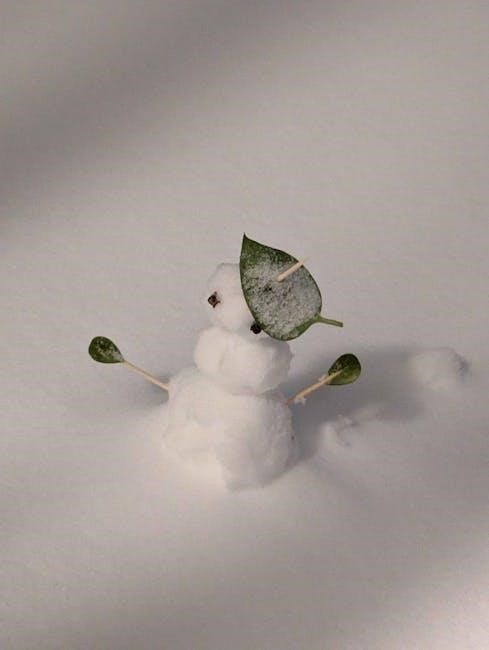
Snowmen, traditionally male figures, have roots in medieval art and folklore, evolving over time; PDFs now preserve and share this history visually․
Early Depictions of Snowmen – From Art to Folklore
Early snowman representations, dating back to medieval times, appear in artwork and are woven into folklore across snow-prone regions․ These initial depictions, often male in form, reflect cultural norms and artistic styles of the period․ PDF documents now serve as excellent repositories for these historical images, allowing for detailed study and preservation․
Before photography, illustrations and written accounts were the primary means of documenting these winter creations․ PDFs enable high-resolution reproduction of these historical sources, making them accessible to a wider audience․ The temporary nature of snowmen necessitated documentation, and PDF formats offer a stable, long-lasting medium for archiving these fleeting artistic expressions․ Digitizing these early depictions within PDFs ensures their survival for future generations, offering insights into past winter traditions and artistic practices․
The Evolution of Snowman Design Over Time
Snowman design has evolved significantly from simple, human-scaled figures to increasingly elaborate and creative constructions․ Early snowmen, typically around 0․5 to 2 meters tall, were primarily male representations, reflecting societal norms․ PDF collections now showcase this progression, documenting stylistic shifts over centuries․
Modern snowmen often incorporate diverse materials and themes, moving beyond the classic three-tiered structure․ PDF guides and image galleries can illustrate this evolution, displaying examples of themed snowmen, sculptures, and artistic interpretations․ The ability to compile numerous images within a single PDF allows for a comprehensive visual timeline of snowman design․ These PDF resources preserve not only the designs themselves but also the cultural context influencing their creation, offering a valuable record of winter artistry․

Snowman Imagery in Popular Culture
PDF compilations frequently feature iconic snowmen from films like “Frozen” (“Do You Want to Build a Snowman?”) and musical references like Sia’s “Snowman․”
“Do You Want to Build a Snowman?” – A Cultural Phenomenon
PDF collections showcasing Disney’s “Frozen” often prominently feature sheet music and lyric transcriptions of “Do You Want to Build a Snowman?” This song, a pivotal moment in the film, resonated deeply with audiences, becoming a cultural touchstone․
Consequently, printable PDF versions of the lyrics, often accompanied by illustrations of Olaf and Anna, became incredibly popular for sing-alongs, educational purposes, and simply for fans to enjoy․ These PDFs cater to a wide range of users, from children learning to read to music enthusiasts seeking accessible song sheets․
The song’s emotional core – loneliness and the desire for connection – transcends age groups, further fueling the demand for readily available PDF resources․ Many free and commercially available PDFs capitalize on this enduring appeal, offering various arrangements and supplementary materials․
Sia’s “Snowman” – Lyrical Analysis and Impact
PDF documents analyzing Sia’s “Snowman” frequently circulate among music students and fans, dissecting its poignant lyrics about unrequited love and emotional vulnerability․ These PDFs often include complete song lyrics, chord progressions, and interpretive essays exploring the song’s metaphorical depth․
The song’s imagery of a melting snowman serves as a powerful representation of fleeting connection and the pain of emotional distance․ Printable lyric PDFs allow for close reading and annotation, facilitating deeper understanding of Sia’s songwriting style․
Furthermore, PDF compilations of Sia’s work often include “Snowman” alongside other popular tracks, providing a comprehensive overview of her artistic output․ The song’s emotional resonance continues to drive demand for accessible PDF resources․

Technical Aspects of Snowman PDFs
PDF creation utilizes software like Adobe Acrobat, ensuring compatibility․ Optimizing image resolution and compressing files are crucial for smaller snowman PDF sizes․
Creating Snowman PDFs: Software Options
Creating snowman PDFs involves diverse software choices, catering to varying skill levels and budgetary constraints․ Adobe Acrobat Pro remains the industry standard, offering robust editing and optimization features for complex designs and ensuring high-quality output․ However, it comes with a subscription cost․
For more affordable alternatives, consider LibreOffice Draw or Inkscape, both free and open-source programs capable of generating visually appealing PDFs․ Microsoft Word and PowerPoint can also be utilized, though they may require additional plugins or conversions to achieve optimal PDF formatting․ Online PDF creators, such as Smallpdf or iLovePDF, provide convenient, browser-based solutions for simple snowman designs and quick conversions from image formats like JPG or PNG․
Ultimately, the best software depends on the project’s complexity and the user’s familiarity with graphic design tools․ Prioritize options that support image compression and allow for embedding fonts to maintain visual consistency across different devices․
Optimizing PDF Size for Easy Sharing
Optimizing snowman PDF file sizes is crucial for effortless distribution via email or online platforms․ Large files can be cumbersome to download and may encounter transmission issues․ Image compression is paramount; reducing image resolution to 150-300 DPI is often sufficient for viewing on screens, significantly decreasing file size without noticeable quality loss․
Removing unnecessary elements, such as embedded fonts (if not essential for display) and unused layers, further contributes to size reduction․ Utilizing PDF optimization tools within software like Adobe Acrobat or employing online compression services can automate this process․ Saving as a “Reduced Size PDF” or utilizing lossless compression techniques are effective strategies․
Balancing file size with image quality is key; aim for the smallest possible file size while maintaining a visually appealing snowman representation․

Types of Snowman PDFs Available
Snowman PDFs encompass diverse formats, including engaging coloring pages for children, printable craft templates, and detailed guides for building snowmen, offering varied creative outlets․
Coloring Pages: A Popular Choice for Children
Snowman coloring pages in PDF format represent a consistently popular option, particularly for children’s activities․ These downloadable resources provide hours of creative fun, allowing young artists to personalize snowman designs with a spectrum of colors․ The accessibility of PDFs means easy printing at home or in educational settings․
Many free and premium snowman coloring pages are available online, ranging in complexity from simple outlines for toddlers to intricate scenes for older children․ These pages often feature classic snowman depictions – top hat, carrot nose, twig arms – but also explore more imaginative and whimsical designs․ The digital format allows for easy sharing with family and friends, fostering a collaborative and enjoyable experience․ PDF format ensures consistent printing quality across different printers․
Printable Snowman Crafts and Templates
Snowman PDF templates extend beyond coloring, offering a wealth of printable craft ideas․ These resources provide pre-designed patterns for creating paper snowmen, snowman ornaments, and even more elaborate 3D constructions․ The convenience of PDFs allows for instant access and easy printing on standard paper or cardstock․
Popular craft options include cut-and-paste snowman figures, templates for building paper snowmen, and patterns for creating snowman-themed decorations․ These templates cater to various skill levels, from simple projects for young children to more challenging crafts for older kids and adults․ PDF format ensures accurate scaling and printing, vital for successful crafting․ These printable resources offer a fun, affordable, and engaging winter activity for all ages․

Snowman Anatomy & Design in PDF Guides
Snowman PDF guides detail classic construction, offering step-by-step instructions and diagrams for building perfect snowmen, alongside advanced design ideas․
Step-by-Step Instructions for Building a Classic Snowman
Snowman PDF guides frequently include detailed, illustrated instructions for constructing a traditional snowman․ Typically, the first step involves rolling a small snowball until it gathers enough snow to become a substantial base․ This process is repeated to create progressively larger spheres for the body and head․
PDFs often emphasize packing the snow firmly during rolling to ensure stability․ Once the spheres are formed, they are carefully stacked, with the largest at the bottom․ Connecting the spheres requires packing additional snow around the joints․
Classic features, like twig arms, a carrot nose, and pebble eyes, are then added, often with visual aids in the PDF․ Scarves and hats complete the look, transforming the snow spheres into a cheerful winter icon․ Some guides even offer tips for preventing melting!
Advanced Snowman Designs: Beyond the Basics
Snowman PDF resources aren’t limited to classic designs; many showcase innovative and complex creations․ These guides often feature instructions for building multi-snowman scenes, incorporating snow forts, or sculpting detailed animal figures alongside the traditional form․
Advanced PDFs may include techniques for carving intricate patterns into the snow, using tools to refine shapes, or even adding colored water to create vibrant effects․ Some demonstrate how to build snow sculptures that defy gravity, utilizing internal supports․
Beyond simple spheres, these PDFs explore dynamic poses and expressive features, pushing the boundaries of snowman artistry․ They inspire builders to move beyond the conventional and create truly unique winter masterpieces․

Grammatical Considerations: “Snowman” vs․ “Snowmen”
Snowman is singular, while snowmen is the plural form, crucial for accurate PDF content creation, ensuring clarity when describing multiple snow sculptures․
Singular and Plural Usage Explained
Understanding the distinction between “snowman” and “snowmen” is vital when crafting PDF documents centered around these wintry figures․ “Snowman” functions as a singular noun, representing a single, individual snow sculpture․ For instance, a PDF guide detailing the construction of a snowman would correctly employ the singular form throughout its instructions․
Conversely, “snowmen” denotes the plural, indicating multiple snow sculptures․ If your PDF showcases a collection of snowmen, or provides instructions for building several, “snowmen” is the grammatically correct choice․ Consistent and accurate usage enhances the professionalism and readability of your snowman-themed PDF content, avoiding potential confusion for the reader․ Maintaining this clarity is especially important in educational PDFs for children․
Correct Grammar in Snowman-Themed PDF Content
Maintaining impeccable grammar within your snowman-themed PDFs is crucial for credibility and clarity․ Beyond simply differentiating between “snowman” and “snowmen,” attention to sentence structure and descriptive language elevates the overall quality․ Ensure verbs agree with their subjects – for example, “The snowman stands proudly” versus “The snowmen stand proudly․”
When providing instructions, use imperative verbs clearly: “Roll the snow,” “Pack the snow firmly․” Avoid ambiguous phrasing․ Proofread meticulously for typos and grammatical errors before finalizing your PDF․ A polished PDF not only presents information effectively but also reflects professionalism, particularly if the content is intended for commercial distribution or educational purposes․ Accurate grammar enhances user experience․

Cultural Variations in Snowman Building
PDF guides can showcase diverse snowman traditions globally, illustrating unique styles and designs beyond the classic three-tiered figure, enriching cultural understanding․
Snowman Traditions Around the World
PDF documents are ideal for compiling and sharing information about global snowman building customs․ Many countries with snowfall boast unique traditions; often, snowmen are depicted as male figures, ranging from 0․5 to 2 meters tall․ A PDF could visually represent these variations – from the simple, classic designs common in North America to more elaborate creations found elsewhere․
Furthermore, a well-designed PDF can illustrate how cultural beliefs influence snowman aesthetics․ It could detail regional preferences for accessories, like specific clothing or facial features․ Imagine a PDF showcasing Japanese snow statues, often depicting animals or characters, alongside Scandinavian snow creations, sometimes featuring intricate carvings․ Such a resource fosters appreciation for diverse wintertime artistry, easily distributed and accessed digitally․
Representing Diverse Snowman Styles in PDFs
PDFs excel at showcasing the wide spectrum of snowman designs globally․ Beyond the traditional three-tiered figure, PDF guides can illustrate snow sculptures depicting animals, characters – as seen in Japan – or even abstract forms․ High-resolution images within a PDF allow for detailed examination of intricate carvings common in Scandinavian traditions․
A thoughtfully crafted PDF can also demonstrate variations in accessories and adornments․ It could compare and contrast regional preferences for hats, scarves, and facial features․ Furthermore, PDF format supports layering, enabling “before-and-after” views of snowman construction, highlighting different stylistic choices․ This visual medium effectively captures and shares the artistry of diverse snowman creations․

Legal and Copyright Issues with Snowman Images
PDFs utilizing snowman imagery require careful attention to copyright․ Employing copyright-free illustrations or obtaining proper licenses is crucial for commercial distribution․
Using Copyright-Free Snowman Illustrations
When creating snowman-themed PDFs, utilizing copyright-free illustrations is a prudent approach to avoid legal complications․ Numerous online resources offer images released under Creative Commons licenses, permitting use with appropriate attribution․ Public domain images, originating from sources where copyright has expired, also provide viable options․
However, diligent verification of licensing terms is paramount․ Always confirm the specific permissions granted by the license before incorporating any image into your PDF․ Websites specializing in stock photography often feature free sections, but scrutinize the usage rights carefully․
Proper attribution, when required, should be clearly displayed within the PDF document, acknowledging the original creator and the license type․ This demonstrates respect for intellectual property and ensures compliance with licensing agreements, safeguarding your snowman PDF project․
Licensing Considerations for Commercial Snowman PDFs
If you intend to sell snowman PDFs commercially, meticulous attention to licensing is crucial․ Simply using “free” images isn’t sufficient; you must ascertain if the license permits commercial use and redistribution within a PDF format․ Extended licenses may be required for certain stock images, incurring additional costs․
If your PDF includes original artwork, clearly define the usage rights granted to purchasers․ Consider options like single-user licenses or broader commercial licenses, priced accordingly․
Consulting with legal counsel specializing in copyright law is advisable, particularly for complex PDF products․ Proper licensing protects both your intellectual property and prevents potential legal disputes, ensuring a sustainable commercial venture for your snowman PDF creations․

Accessibility of Snowman PDFs
Accessible snowman PDFs require screen reader compatibility and descriptive alt text for images, ensuring inclusivity for visually impaired users enjoying the content․
Ensuring PDFs are Screen Reader Friendly
Creating screen reader-friendly snowman PDFs demands careful attention to document structure․ Tagging elements – headings, paragraphs, images – is crucial, providing a logical reading order for assistive technologies․
Properly defined reading order allows screen readers to navigate the document meaningfully, describing the snowman imagery and accompanying text sequentially․
Avoid relying solely on visual cues for information; ensure all content is conveyed through text alternatives․
Utilize appropriate language when describing images, focusing on essential details relevant to understanding the snowman’s depiction․
Testing with various screen readers validates accessibility, confirming a positive user experience for everyone, regardless of visual ability․ This ensures inclusivity when sharing snowman-themed resources․
Alt Text for Snowman Images in PDFs
Providing descriptive alt text for snowman images within PDFs is paramount for accessibility․ This text serves as a substitute for the image when it cannot be displayed, benefiting users with visual impairments or those using screen readers․
Effective alt text concisely conveys the image’s content and function․ Instead of “snowman image,” use “A three-tiered snowman with a carrot nose and coal eyes․”
Context matters; tailor the description to the surrounding text․ If the image illustrates a building step, the alt text should reflect that․
Keep it brief yet informative, aiming for around ․ Decorative images may require null alt text (alt=””) to signal their non-essential nature․
Thorough alt text ensures everyone can fully experience your snowman PDF content․